Contigo Aubrey Kids Cleanable Water Bottle 2-Pack: A Parent’s Verdict
2026-08-13 by Ingrid Falk
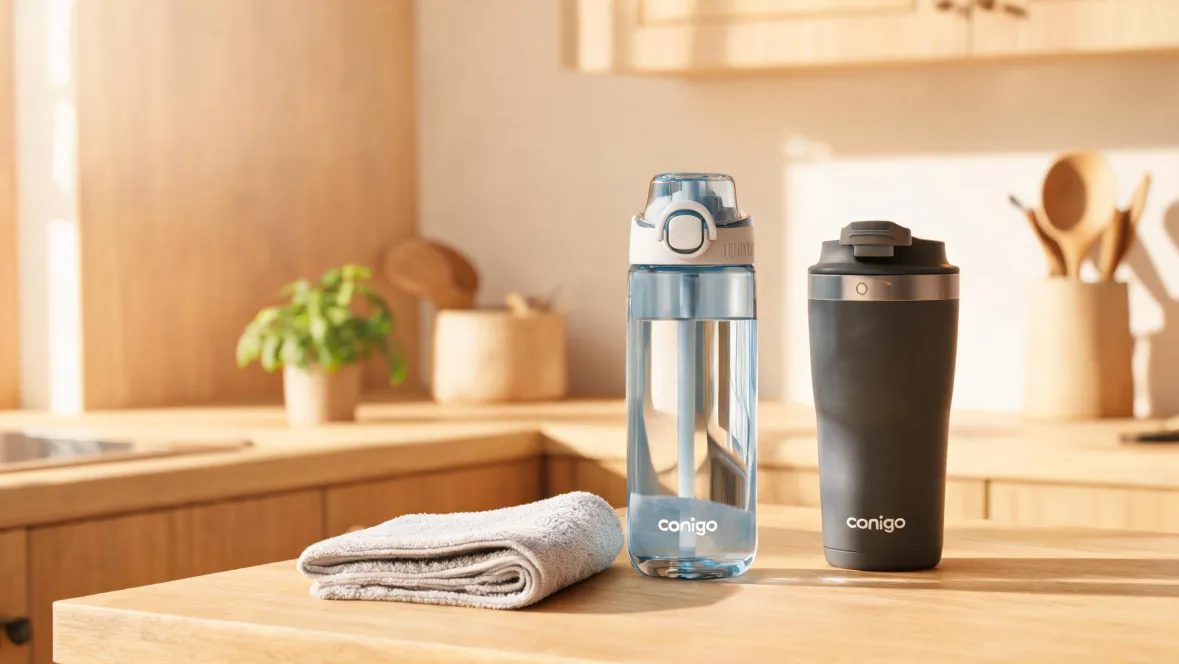
The Contigo Aubrey Kids Cleanable Water Bottle 2-pack is a genuinely practical buy for most families—provided you understand what 'cleanable' really demands. This is not a set you can toss in the dishwasher and forget; it rewards parents who take two minutes to break down the lid and let the parts dry. In exchange, you get two durable bottles that keep the mold away and survive the school year. The catch is a strict heat limit and a disassembly habit. If that trade-off fits your routine, the 2-pack is an easy yes.
Why a Contigo Aubrey 2-Pack Is More Than Just a Cup
When you buy a Contigo Aubrey bottle, you’re not buying from a random kitchen-gadget startup. Contigo sits inside Newell Brands, the same consumer-products house that owns Rubbermaid, Bubba, and a long list of household names. That lineage matters because it shapes the engineering behind the plastic. Newell’s portfolio includes storage containers that promise airtight seals and water bottles designed for daily travel, so the talent pool that designed your kid’s sippy cup has spent years solving the same problems: leaks, stains, odors, and parts that break. The practical takeaway is that the Aubrey 2-pack inherits a design philosophy, not just a logo. When a product comes from this family, you can expect the latches to click, the gasket to sit flush, and the warranty to mean something. It’s the difference between a generic cup that’s cute for a week and a system built to be taken apart and reused.
Contigo’s brand voice doesn’t just talk about convenience—it talks about safety. The company describes its mission as helping people “manage and secure what you value most,” a phrase you see across its commercial products, from GPS tracking for fleets to the insulated mug on your desk. That same protective instinct carries into the kids’ lineup. The Aubrey bottle reflects that care in its design choices, from the shape of the spout to the way the lid locks. The brand’s safety language isn’t just marketing gloss; it’s an institutional focus on preventing the everyday disasters—spilled juice, lost lids, cracked plastic—that make a parent’s life harder. That’s a useful signal when you’re choosing between two seemingly identical bottles.
Does that brand promise translate into a bottle that’s actually easy to keep clean? That’s the question most parents care about, because “cleanable” is the word Contigo puts right in the product name. It’s also the area where many kids’ bottles fail quietly: you wash the outside, but the inside of the spout or the valve stays cloudy with old milk. So before you drop a twenty on a two-pack, you need to know exactly what the cleaning routine looks like. The answer starts with a seal, but it doesn’t end there. Let’s pull the lid apart and see what “cleanable” really means.
Cleanability Starts With the Seal, Not the Label
The seal is where cleanability begins, and it’s also where the Aubrey bottle borrows from its big sibling, Rubbermaid Brilliance. The Brilliance line is built around a simple promise: it won’t leak, and it’s made from BPA-free plastic with an airtight, leak-proof seal. Those containers also resist stains and odors, which is exactly what you want in a lunchbox that lives inside a backpack all day. Contigo and Rubbermaid share the same Newell engineering bench, so the leak-proof technology in the Brilliance storage line carries directly into the kids’ bottle design. When the Aubrey lid clicks shut, you’re getting the same gasket-and-latch approach that keeps soup from escaping a Rubbermaid container. That matters because a leak isn’t just a mess—it’s a reason to throw a bottle away early. A seal that actually holds means the bottle stays in rotation longer, and that’s the real meaning of cleanable: fewer stains to scrub, fewer odors to chase.
Beyond the seal, the 2-pack itself is a quiet workhorse. You get two identical bottles, which solves the biggest bottleneck in a busy household: the waiting game. While one bottle sits upside-down on the drying rack after its evening wash, the other is already packed and ready for the morning. That spare also covers the inevitable moments—the bottle left on the playground, the one that got jammed in the bottom of a wet bag, the one your toddler decided to launch across the kitchen. Instead of a frantic trip to the store, you just grab the backup. And because the bottles are identical, there’s no fighting over which color is “mine.” For many parents, that extra unit separates a system that works from one that falls apart by Wednesday.
So if the seal and the two-pack solve the obvious problems, what’s left to worry about? The answer is maintenance. Every kids’ bottle eventually hits the same wall: the valve, the straw, the hidden crevices where old milk calcifies. The Aubrey is cleanable, but that adjective comes with a set of instructions. If you skip them, you’ll be right back to a bottle that smells like sour juice no matter how many times you wash the outside. So let’s walk through the actual routine—what to take apart, how to dry it, and why the heat limit matters more than you think.
How to Clean and Keep the Aubrey 2-Pack Safe
Here’s the routine the bottle expects you to follow. First, pull the bite valve free from the lid—it pops out with a firm tug. Then separate the lid’s rubber gasket, because that’s where moisture hides and mold starts. Wash all the parts in warm, soapy water, and give the valve a squeeze so suds work through the drinking channel. Rinse thoroughly, then set every piece on a drying rack with the valve mouth facing down. Air-drying is non-negotiable; stuffing the parts back while they’re still wet invites mildew. This mirrors the Rubbermaid Brilliance care instructions, which emphasize washing before use and keeping the container dry. The key is to treat the bottle like a thermos with a complex lid—you wouldn’t just rinse a thermos and call it done. That five-minute disassembly is the price of a bottle that actually stays clean.
Now the part most parents miss: heat. The care guide for the Brilliance line states that these containers are microwave-safe for reheating, but with strict limits. The maximum short-term service temperature is 165°F, and you have about 30 seconds at that heat before you’re essentially cooking the food—which is out of scope for the container. The same principle applies to the Aubrey bottle. Don’t blast it in the dishwasher on the heavy cycle or fill it with boiling water to sanitize; you’ll compromise the plastic and the seal. Instead, keep washing warm and mild. If you do use the microwave for a cup of milk, open the lid’s vent or remove the valve so steam can escape—pressure buildup can deform the gasket. Those numbers aren’t just suggestions; they separate a bottle that lasts from one that turns cloudy or warped.
Tie that heat limit to the way you’ll actually use the bottle, and a clearer picture emerges. The Aubrey is built for cold water, not for hot milk or boiling-rinse cycles. If your child only drinks room-temperature water at school, the heat limit is irrelevant—you’ll never get close to 165°F. But if you like to pre-fill with a warm mix, or you rely on the dishwasher to sterilize, you’ll need to change that habit. The condition is simple: keep the bottle away from sustained heat, and the seals will stay soft and effective. Violate it, and you’ll see the plastic tint change or the gasket distort, which eats into the leak-proof promise. So the care step isn’t busywork—it’s the difference between a two-pack that lasts a year and one that falls apart at month five.
The Verdict: Should You Buy the 2-Pack?
Now bring it back to the wallet. The Aubrey 2-pack costs more than a three-pack of generic cups, but the math changes when you count replacements. Newell Brands doesn’t just make the bottle; it makes the system around it, with a track record you can check across Rubbermaid and Bubba. Those brands survive in the market because they fix the problems that make cheap containers useless: cracked lids, leaked bags, and smells that never wash out. When you pay for the Aubrey, you’re buying a lower chance of repurchasing in six months. Compare that with disposables: a pack of single-use water bottles might seem cheaper, but you’re buying them every couple of weeks, and they end up in the bin. The 2-pack’s reusable design shifts the cost to a one-time purchase, and the spare bottle means you’re never tempted to grab a plastic throwaway on a busy morning.
So here’s the bottom line: buy the Contigo Aubrey Kids Cleanable Water Bottle 2-pack if your family can commit to the two-minute cleaning drill. That means popping out the valve, washing the gasket, and air-drying every night. If that sounds like a reasonable price for leak-free lunches and a bottle that doesn’t smell, this is an easy yes. If you know you’ll toss it in the dishwasher without a second thought or skip the disassembly for weeks, the heat limits and mold risk make it the wrong pick—you’ll be better off with a bottle that forgives more abuse. The 2-pack is not a miracle cup; it’s a well-engineered tool with a clear operating manual. Respect the manual, and the set will carry your child from the first day of school to the last.
That’s the real lesson here: the “cleanable” in the name isn’t a promise, it’s a contract. The Aubrey rewards parents who treat it as a partner in the morning routine rather than a throwaway object. The engineering and the durable build earn their keep, but only if you meet the bottle halfway. For families who already take apart silicone straw cups and dry them on the counter, this 2-pack is a natural upgrade. For those who want a set-and-forget bottle, it will disappoint. So the verdict stands: most families should buy it, and they should buy it knowing that the cleaning ritual is part of the product. That’s the trade-off, and it’s a fair one.
That’s the real test of a kids’ bottle: not the first week, but the last day of school. The Aubrey passes it—for parents who pass the cleaning quiz.

Ingrid Falk
Ingrid Falk is an outdoor living products analyst specializing in fences, pergolas, gazebos, canopies, greenhouses, shade sails, patio sets, outdoor sofas, and weatherproof cushions. She uses ISO 4892-2 and ASTM G154 weathering methods while comparing UV color change, coating adhesion, corrosion resistance, frame load, joint stability, water shedding, and dimensional movement. Her work helps garden retailers, project buyers, and hospitality operators select structures and furniture suited to wind exposure, climate, installation method, maintenance, and expected occupancy.