Contigo Kids Aubrey Stainless Water Bottle: When It Fits and When It Doesn't
2026-08-25 by Ingrid Falk
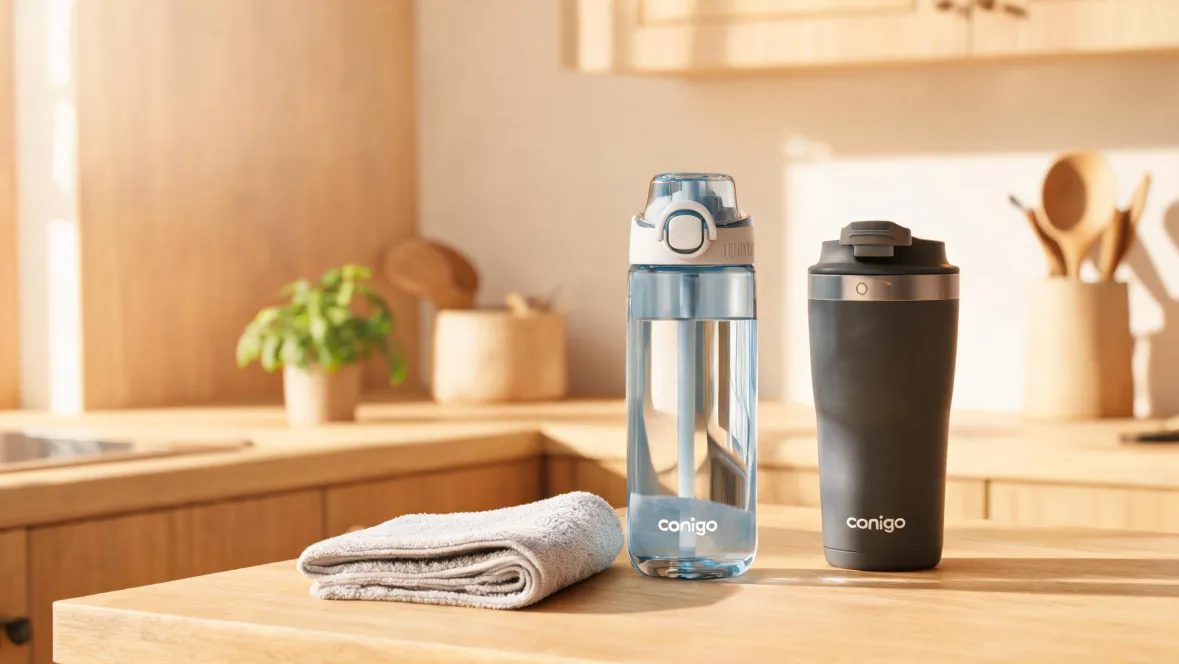
Buying a water bottle for a child sounds simple, but the moment 'stainless steel' and 'for kids' appear on the same label, parents face a real fork. One path leads to a smaller, character-branded bottle like the Contigo Kids Aubrey, built for little hands. The other leads to a generic insulated bottle that may last years but feels heavy and needs careful cleaning. Which one belongs in a school bag—and which one actually gets used? That's the question this guide resolves, not by praising the metal, but by matching the bottle to the routine. The material alone doesn't decide whether a bottle works for a child; the child's ability to carry, open, and clean it matters more.
One Bottle or the Other? The Choice Parents Actually Face
The fork is real. A kids-specific bottle like the Aubrey is often shorter and narrower, which helps a kindergartner grip it and slide it into a lunchbox. But that compact build can mean a smaller capacity and a lid with more crevices. A general insulated bottle might keep water cold all day, yet its weight and valve complexity can turn it into a toy rather than a tool. Picture a third-grader at a fountain: a heavy bottle is awkward to tilt, while a narrow kid-sized one may be too small for sports. The dilemma isn't about which material is safer; it's about how the bottle behaves when dropped or left in a hot car. So a parent has to weigh the child's age, grip strength, and willingness to open a valve against the bottle's weight, capacity, and how easily it drains. Those factors, not 'stainless,' decide whether the bottle gets used.
The brand name behind a bottle is a clue, not a conclusion. Contigo sits inside Newell Brands, an American conglomerate that counts Rubbermaid and a wide range of housewares among its portfolio. For a parent, the Aubrey comes from a company with a long history in containers. But that lineage says nothing about how the Aubrey performs. Newell's track record does not guarantee that this lid seals, this size fits a third-grader, or this stainless grade resists dents. It simply means the bottle was designed by a company that expects to survive a quality complaint. The brand badge can justify a higher price, but it cannot substitute for checking the valve mechanism or weighing the bottle. The evidence places Contigo in a family that understands reusable containers—a useful signal, but a signal about the company, not the bottle. When a child drops the bottle, the brand's reputation does not absorb the impact; the steel and latch design do. So the brand foundation is a starting point, not the finish line.
What a Kids Aubrey Has to Do Before It Earns Its Spot
What should a kids bottle actually do before it earns a spot? The answer comes down to four criteria. Weight: can the child carry the bottle full without dragging the backpack? Capacity: does it hold enough water for the school day without taking over the side pocket? Cleaning: can the lid be taken apart so every nook dries completely? Leakproofness: does it survive a toss into a backpack without soaking homework? These four questions make the decision concrete. For a kindergartner, weight and the ease of opening the valve are almost as important as leakproofness, because a child who can't operate the lid will either leave the bottle unopened or spill it. In a hot car, insulation matters, but so does the material's ability to avoid deformation. And for cleaning, the number of parts matters—a straw that hides bacteria is worse than a simple spout. So the checklist becomes: can the child carry, open, clean, and trust this bottle not to leak? If yes, material and brand can be considered. If no, no amount of stainless steel will save it.
Independent testing makes the same point. In a 2026 review of food storage containers, testers evaluated more than 50 containers made of glass, stainless steel, and plastic, and the ones that earned top marks kept food fresh for days, resisted staining, and proved completely leakproof when sealed properly. That test did not reward the word 'stainless'; it rewarded containers that actually kept their contents sealed and clean. The same logic applies to a child's water bottle: a container that leaks or traps moisture fails the most basic job. The test also favored easy-to-clean models, which mirrors the nightly chore of washing a bottle after school. While the review was about food storage, the reward system is identical—durability and easy maintenance earn trust, while a pretty material without a solid lid doesn't. The evidence doesn't say the Aubrey passes or fails; it says that leakproof, durable, and cleanable are what separate a keeper from a castaway. So the lesson for a kids bottle is straightforward: focus on the lid and the drying rack, not the marketing.
What 'Stainless Steel' Really Tells You—and What It Doesn't
What does 'stainless steel' actually tell you? Less than you might think. Stainless steel is a family of alloys, and its performance shifts with composition and construction. A 2022 research paper had to determine the electromagnetic properties of a specific ferromagnetic stainless steel used in induction heating, precisely because behavior changes with alloy and treatment. In plain terms, 'stainless' means the material resists rust, but it says nothing about strength, insulation, or drop survival. Two bottles with the same label can behave very differently: one may dent, another may withstand abuse. Even industrial engineers run measurements to know what a batch will do, so parents shouldn't assume uniform quality. For a child's bottle, the practical lesson is that 'stainless' is a floor, not a ceiling. It tells you the bottle probably won't rust, but not if the cap leaks or the base is too heavy for a five-year-old. A thick, double-walled steel bottle might keep water cold but be too heavy; a thin, single-wall version might be light but not insulate. Both can be called 'stainless,' and both can fail the fit test.
So if the label doesn't settle it, what does? The pivot is the lid and cleaning workflow. Ask: can this bottle be taken apart and dried completely tonight? The lid and valve are where mold hides and leaks start. A bottle that traps water in its hinges will smell after a month, and a child who can't open the valve will go thirsty. That's why material has to give way to mechanism. The best stainless bottle isn't the one with the most insulation; it's the one with the fewest crevices and the simplest latch. Before looking at capacity or color, a parent should ask: how many parts does the lid have? Can the valve pop out with a fingernail? Does the bottle dry upside down, or does water collect in the cap? These questions shift focus from ads to daily life. They also explain why independent tests reward easy cleaning so heavily. A container that's durable and leakproof but impossible to dry is a health risk; one that's simple to clean but leaks is a nuisance. When a parent makes the lid the first test, 'stainless' becomes one advantage among many, not the sole decider.
When the Aubrey Fits, and When It Doesn't
When does the Aubrey actually fit? The checklist meets the bottle. Contigo positions the Aubrey as a kids-specific option, which usually means a shorter silhouette and a narrower grip. That helps younger children carry it and fit it in side pockets. But those features come with trade-offs. The compact shape may mean a smaller capacity—fine for a half-day preschool, not for a full day of camp. The valve on many kids bottles is easy for small mouths, but easy often means more parts to scrub. And the weight, while likely lighter than adult stainless, still needs checking. The Aubrey's fit isn't automatic. It's right when the child can operate the lid independently, the capacity matches the daily water amount, and the parent will take apart the lid each night for cleaning. It's wrong when those conditions aren't met—when a child needs help with the valve, when the bottle is too small for a long day, or when the lid's design makes drying a chore. In those cases, a general insulated bottle with a simpler lid and larger capacity may serve better.
This fit-based reading matches the evidence. Independent testing of similar reusable containers—like the food storage review that tested more than 50 models—found that leakproofness and cleanability earned trust, not the material label. That review included stainless steel options but awarded points for containers that kept food fresh, didn't stain, and sealed completely, not for the word 'stainless' alone. Translate that to the Aubrey: it earns trust when its lid seals and its interior can be dried. The brand lineage from Newell adds accountability, but that reputation does not reach into the bottle's valve. The evidence points to the same conclusion: the Aubrey's place depends on execution. The Newell connection should make a parent comfortable trying the bottle, but it's not a substitute for a leak test. So the morning test becomes the real judge: fill it, shake it, toss it into a bag, and check for dampness. If it passes, brand and material become supporting characters. If it fails, all the brand history in the world won't dry the backpack.
A Decision Rule You Can Reuse for the Next Bottle Too
Here is a rule that works for any bottle: a kids stainless bottle is worth it only when the child can open the valve, the bottle dries fully after a wash, and the capacity matches the day. If all three hold, a dedicated kids bottle makes sense—it's smaller, easier for little hands, and backed by a name you can trace. If one fails, a generic insulated bottle with a simpler lid may be the better tool. This rule removes the noise of advertising and material hype. It's reusable because it depends on the child's current routine, not a specific model. When your child moves to a bigger bottle, apply the same three questions: Can my child open and close the valve without help? Does the lid come apart so every surface can dry? Does it hold enough water for the day without being too heavy? If you answer yes to all three, the bottle will be used. If no, it will end up at home. The rule also accounts for change: a bottle that worked in kindergarten may fail a year later. So instead of chasing reviews, a parent can measure the bottle against the child's actual day.
Picture the first Monday morning with a new bottle. You fill it a little short, snap the lid, and place it in the backpack. At pickup, you find the bottle exactly where it should be—no damp homework, no puddle. That night, you pop the valve out, rinse the pieces, and set them on the drying rack. In a few minutes, they're dry, ready for Tuesday. That routine is the real test of the Aubrey or any kids bottle. It's not the purchase moment that matters; it's the hundred small moments after. A child who opens the lid without fuss, a valve that doesn't collect grime, a bottle that doesn't rattle with trapped moisture—these are the wins that make a bottle a keeper. For parents, the scene is familiar: the backseat, the gym bag, the lunchbox with a leaky cap. The right bottle avoids all that, not because of the name on the side, but because it was chosen with the child's habits in mind. The closing scene isn't a sales pitch; it's a reminder that the best bottle disappears into the routine, leaving no mess and no excuses.
Use the same three questions the next time you shop: Can your child open it? Can it dry completely? Does the capacity match the day? If yes, a dedicated kids bottle like the Aubrey earns its spot. If not, the word 'stainless' won't change that.

Ingrid Falk
Ingrid Falk is an outdoor living products analyst specializing in fences, pergolas, gazebos, canopies, greenhouses, shade sails, patio sets, outdoor sofas, and weatherproof cushions. She uses ISO 4892-2 and ASTM G154 weathering methods while comparing UV color change, coating adhesion, corrosion resistance, frame load, joint stability, water shedding, and dimensional movement. Her work helps garden retailers, project buyers, and hospitality operators select structures and furniture suited to wind exposure, climate, installation method, maintenance, and expected occupancy.